
Finding a home in Canada now depends heavily on reliable online tools. Buyers searching across provinces – from major cities to smaller markets like Manitoba – need clear listings, price history, and verified information. In 2026, higher borrowing costs and slower sales cycles have increased the need for careful research, making real estate websites a primary starting point for assessing value and reducing risk.
How regulated markets shape consumer choices
Both real estate and online gambling operate within clear legal and regulatory frameworks in Canada. While they serve very different purposes, they share common requirements around licensing, oversight, and consumer protection. Buyers and players are expected to verify who they are dealing with, understand the rules, and rely on platforms that follow established standards.
This shared structure explains why these sectors are sometimes discussed side by side. The focus is not on comparing their size or impact, but on how Canadians approach services that involve payments, contracts, and risk. In both cases, trust in the platform matters as much as the product itself. The reference to online gambling here is included for context around regulation and consumer checks, not to rank platforms or promote specific services.
Real Estate and Online Gambling in Canada: Consumer Perspective
Online gambling in Canada operates under different regulatory models depending on the province. Ontario runs a regulated private market overseen by the Alcohol and Gaming Commission of Ontario (AGCO) and iGaming Ontario, while most other provinces rely on government-run lottery platforms or allow access to offshore operators. By 2025, age verification, identity checks, and player protection measures are standard requirements across regulated platforms.
Real estate and online casinos are dual forces shaping Canada’s economic landscape. The housing market fuels construction and homeownership dreams, while discovering rigorously tested iGaming favorites – like the top-tier online casinos Canada – showcases how digital entertainment meets stringent standards. Those who want to know more might be interested in exploring key topics such as how to choose the best legitimate online casinos in Canada, how to join, game selection, bonuses, payment methods,and even expert advice on safe play, along with a helpful FAQ and a breakdown of gambling regulations. Both industries influence spending habits, from mortgage payments to responsible gaming budgets.
| Factor | Real Estate Impact | Digital Entertainment Role |
|---|---|---|
| Revenue Streams | Property taxes, agent fees | Licensing fees, player protection levies |
| Job Creation | Construction, brokerage | Tech development, customer support |
| Consumer Focus | Location, equity growth | Game variety, secure transactions |
Note: This comparison is provided at a high level and reflects consumer-facing structures and oversight, not the relative economic size or importance of each sector.
The connection between these two industries goes beyond financial impact. Just as buyers search for the best property deals, casino players look for secure and reputable platforms.
Here’s our analysis of the top websites that help buyers make informed decisions about real estate in Canada.
1. REALTOR.ca – The MLS® Leader

REALTOR.ca remains Canada’s most trusted real estate platform, serving as the official site of the Canadian Real Estate Association. With over 240 million annual visits, it provides the most comprehensive coverage of MLS® listings nationwide, including cabins for sale in Manitoba. The platform excels in listing accuracy but takes a more conservative approach to market analysis. Their mobile app offers convenient property alerts and mapping features, though some users find the interface less intuitive than newer platforms. The site’s strength lies in its direct connection to professional REALTORS® and verified listings across all provinces. As of 2024–2025, REALTOR.ca remains the primary source for verified MLS® listings across Canada, with frequent updates and continued integration with licensed REALTORS® in every province.
Key Features:
- Direct MLS® access
- Nationwide coverage
- Professional agent directory
- Property alerts
- Verified listings
2. RealEstateProperty (CLOSED)
Though no longer active, RealEstateProperty was once a popular platform for private listings and direct property sales, including some of the most expensive houses for sale in Canada at the time. Operating from 2005 to 2016, it provided a free alternative to traditional real estate websites. The site was known for its simple interface and focus on private sellers, offering an early model for today’s direct-sale platforms. While closed, its influence can be seen in current websites that offer similar private listing options for local consumers.
Features:
- Free listings
- Private seller focus
- Direct buyer-seller connections
- Simple interface
- National coverage
3. Zolo – Market Trends & Consumer Insights
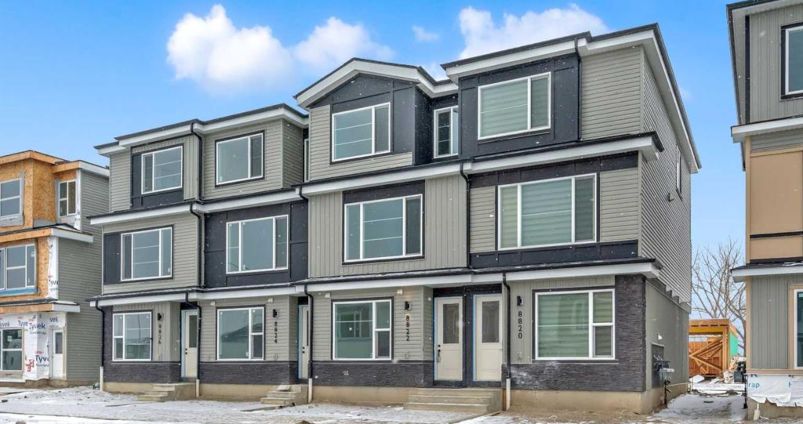
Zolo has revolutionized how Canadians access real estate data through its tech-forward approach. The platform updates every 15 minutes and provides extensive market analysis tools that help buyers understand price trends and market dynamics. Beyond just listings, Zolo offers neighbourhood insights, school ratings, and transit scores, making it a useful resource for those considering areas with rising property values, such as the most expensive house in Calgary. Their user interface makes it easy to track properties and compare different areas, while their mobile app provides seamless integration with desktop features. In 2025-2026, Zolo continues to focus on price history, sold data, and neighbourhood trends, making it especially useful for buyers tracking market shifts in major urban areas.
Notable Elements:
- 15-minute listing updates
- Advanced market analytics
- Neighbourhood demographics
- School rankings
- Interactive price maps
4. Property.ca – Listings & Local Insights

Property.ca distinguishes itself through deep local market expertise and comprehensive urban property coverage. Their platform combines traditional listings with modern technology, offering virtual tours and detailed property comparisons. The site’s strength lies in its neighbourhood-specific insights and real-time market data, making it particularly helpful for those seeking Kenora apartments for rent or Tofino housing. They’ve recently expanded their rental listings section, making it a valuable resource for both buyers and renters. Their agent team specializes in urban markets and provides detailed local knowledge. By 2026, Property.ca has expanded its rental and urban market coverage, with a strong focus on Toronto and other high-density cities where local data matters most.
Features:
- Urban market focus
- Virtual property tours
- Real-time market updates
- Rental listings
- Local market experts
5. RE/MAX – Trusted Nationwide

RE/MAX’s platform combines traditional real estate expertise with modern digital tools. The site offers extensive coverage across urban and rural markets, with particular strength in luxury and commercial properties. Their platform provides detailed property information and consumer-focused market insights, backed by their extensive network of experienced agents. Whether you’re searching for cottages for sale in Newfoundland, condos in Ajax, or a high-end listing like the most expensive house in Toronto, RE/MAX has a strong presence in all property types. The site also includes specialized sections for commercial properties and international listings, making it valuable for diverse real estate needs. In 2025-2026, RE/MAX continues to rely on its national agent network, with consistent coverage across residential, luxury, and commercial listings in most Canadian regions.
Key Features:
- Large national network of agents
- Strong luxury and commercial property listings
- Advanced market analysis tools
- International real estate options
- Trusted brand recognition
Which Canadian Real Estate Website Is Right for You?
Data note: The figures shown reflect market conditions from early 2025. Prices and sales activity vary widely by region, so readers should confirm local data with current listings and regional real estate boards before making decisions.
| Feature | REALTOR.ca | Zolo | Property.ca | RE/MAX |
|---|---|---|---|---|
| Active Listings (2025) | 260,554 | 8,738* | 3,338,288 | 150,000+ |
| Mobile App | Yes | Yes | Yes | Yes |
| Price History | Limited | Full | Login Required | Limited |
| Market Reports | Basic | Detailed | Detailed | Basic |
| Rental Listings | Yes | 9,534* | Yes | Limited |
| Days on Market | No | Yes | Yes | No |
| Sold Data | No | Yes** | Yes** | No |
| Neighborhood Data | Yes | Yes | Yes | Limited |
| Direct Agent Contact | Yes | Yes | Yes | Yes |
| Search Filters | Basic | Advanced | Advanced | Basic |
| Update Frequency | 15 mins | 15 mins | Daily | Daily |
*Toronto area only
**Requires account registration
Key Differentiators:
- REALTOR.ca: Official MLS® system, most trusted source
- Zolo: Best market analytics and price trends
- Property.ca: Most comprehensive urban market coverage
- RE/MAX: Strong agent network and brand recognition
Canadian Real Estate Market: Stats & Consumer Insights
The Canadian real estate market continues to shift, influenced by interest rates, demand, and inventory levels. Below are the latest statistics on home prices and trends across the country.
National
Average Price
$676 640
↑ 3% year over year
Days on Market
28
Average days to sell
Market Activity
49.3%
Toronto
Average Price
$1 217 489
↑ 8.23% year over year
Days on Market
28
Average days to sell
Market Activity
57%
Sales-to-new-listings ratio
Vancouver
Average Price
$1 275 672
↑ 2.5% year over year
Days on Market
32
Average days to sell
Market Activity
52%
Sales-to-new-listings ratio
Data updated: February 2025 | Source: CREA, Local Real Estate Boards
Each platform offers unique advantages for different buyer needs. REALTOR.ca provides the most comprehensive MLS® access, Zolo excels in market analysis, Property.ca specializes in urban markets, and RE/MAX offers trusted brand recognition with nationwide coverage.
Buyers should consider using multiple platforms to gain a complete market perspective. Check listing details across sites, compare prices, and verify property information through local real estate professionals before making decisions. The market shows strong activity in both sales and rentals, with particular demand for condos in Nova Scotia and other areas. Whether looking for expensive houses in Toronto or affordable apartments in Nova Scotia for rent, these platforms provide the tools needed for informed real estate decisions.