
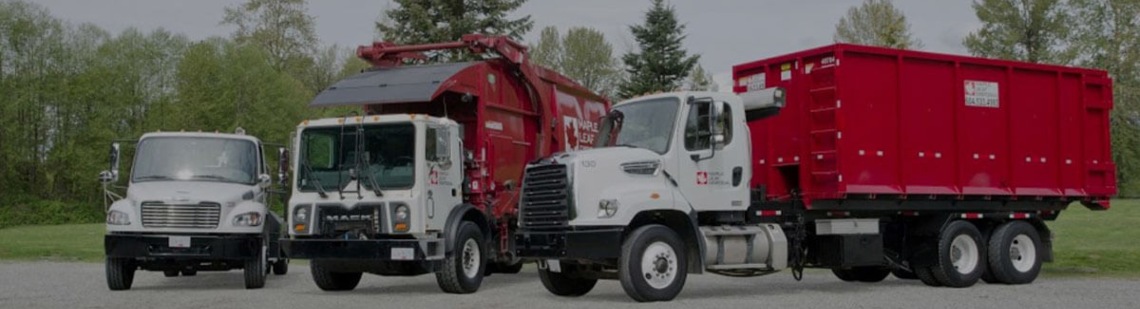
Surrey, located in the heart of British Columbia, has become a beacon of sustainable initiatives in Canada. Over the years, the city has consistently enhanced its focus on waste management, understanding that a cleaner city isn’t just about aesthetics – it’s about the health of its citizens, the preservation of the environment, and the betterment of the future.
As of 2026, Surrey’s waste strategy continues to prioritize landfill diversion, organic waste processing, and emissions reduction, supported by city-operated infrastructure and regional policy frameworks across Metro Vancouver.
Addressing waste isn’t just about disposal. It involves managing the full lifecycle of materials, reducing what enters landfills, and recovering value from organic waste streams. This approach aligns with current municipal and provincial priorities in British Columbia.
Digital Literacy in Regulated Systems: Waste Services and Online Gambling
While Surrey’s waste management strategy focuses on environmental infrastructure and service delivery, broader public-interest discussions increasingly highlight the role of digital literacy in helping residents make informed decisions in regulated environments. In this context, examples from other sectors are sometimes referenced to illustrate how transparency and user education can reduce risk and improve outcomes. Municipal communication increasingly relies on online tools, resident portals, and public education platforms to improve participation in recycling and composting programs.
Residents in Ontario, in particular, have access to valuable resources like this expert tool for secure online play that helps those exploring online casinos Ontario recognize prioritize safety and responsible habits. The page explains how to check if a platform is licensed and trusted, making it easier to avoid unsafe websites. It also shares practical tips for managing spending and playing responsibly, helping users enjoy online gaming with confidence.
Although this example is drawn from a different jurisdiction and sector, it illustrates a shared principle seen across many public systems in 2025: clear information, transparent rules, and user education help reduce misuse and improve trust. In Surrey’s case, these same principles apply to waste sorting guidance, collection calendars, and resident-facing environmental programs.
Surrey’s Organic Waste Management Framework
History of Waste Management in Surrey
Surrey’s journey in waste management began much earlier than most other cities. Since the late 20th century, Surrey had the vision to look beyond landfills. The city started by establishing basic recycling protocols and then moved on to more advanced methods as technology and awareness evolved.
This historical context provides background, but Surrey’s current waste system is shaped primarily by changes introduced after 2020, including new collection contracts and expanded organics processing capacity.
Evolution of City of Surrey Garbage Collection
The waste collection system in Surrey has seen several changes over the years. From a system that primarily focused on disposal to one that segregates, recycles, and reuses, the transformation has been commendable.
In the past decade, the city introduced multiple bins for different types of waste, ensuring that recyclable and compostable materials are not dumped into landfills. A major operational shift occurred on April 1, 2023, when Surrey implemented a new waste collection system under a contracted service model. This change updated collection routes, schedules, and service standards and remains the foundation of Surrey’s waste collection operations in 2026.
Surrey Waste Carts: Step Toward Effective Sorting
One of the initial steps in managing organic waste effectively is source segregation. Recognizing this, the City of Surrey introduced a system of waste carts, helping residents sort their waste into distinct categories right from the outset. These carts come in differentiated colours, each designated for a specific type of waste: recyclables, organic waste, and regular garbage.
Organic waste carts, in particular, play a pivotal role. By providing residents with a dedicated receptacle for organic materials like food scraps, yard waste, and other compostable items, Surrey ensures that a significant portion of its waste is kept separate from other trash. This makes the subsequent processing, whether it be composting or biofuel generation, more efficient and effective. Source separation remains one of the most effective tools for reducing contamination and improving compost and renewable natural gas outputs in 2025.
Shifts in City of Surrey Garbage Pickup and Schedule
Adapting to the increasing needs of its growing population, Surrey made pivotal shifts in its garbage pickup schedules, especially in 2017 and 2018. New routes were established to reduce fuel consumption, collection times were optimized to decrease traffic congestion, and residents were educated on proper waste segregation to ensure the efficacy of the recycling and composting processes.
Interesting Fact: Owing to these initiatives, Most recently reported diversion figures published by the City confirm that tens of thousands of tonnes of organic material are diverted annually through Surrey’s organics and recycling programs. Updated diversion totals are released periodically through City reporting rather than in real time.
Surrey’s Approach to Organic Waste
In a rapidly urbanizing world, waste management, particularly organic waste, is of paramount significance. Organic waste, if left untreated, decomposes anaerobically in landfills, leading to methane emissions—a potent greenhouse gas contributing to global warming. Surrey, being proactive, recognizes this challenge and sees it as an opportunity to both protect the environment and create value.
This strategy aligns with regional and provincial climate objectives in effect as of 2026.
Green Thumb Recycling
Green Thumb Recycling is one of Surrey’s innovative organic waste management programs. The program encourages residents to segregate compostable items like garden waste, paper products, and certain foodstuffs. Not only does this reduce the strain on landfills, but it also provides the raw material necessary for producing quality compost and renewable natural gas.
The Role of Surrey Food Waste Recycling
Apart from garden waste, Surrey places significant emphasis on recycling food waste. Instead of ending up in landfills and producing harmful greenhouse gases, food scraps are processed and converted into valuable resources. This approach plays a dual role: reducing the environmental footprint and turning waste into wealth.
Interesting Fact: Metro Vancouver waste composition studies show that compostable organics remain one of the largest recoverable materials in the residential garbage stream, underscoring the importance of continued organics diversion.
From Organic Waste to Renewable Energy and Quality Compost
The process begins by collecting organic waste and transporting it to processing facilities. Here, in the absence of oxygen (anaerobically), microorganisms break down the waste, producing a mixture of gases, predominantly methane. This biogas is then purified to remove impurities, resulting in renewable natural gas. This gas can be used for heating, electricity generation, or even as a vehicle fuel.
As of 2026, Surrey’s biofuel facility processes up to approximately 115,000 tonnes of organic waste per year, producing renewable natural gas and roughly 45,000 tonnes of finished compost annually.
Benefits of Transforming Waste into Biofuel and High-Quality Compost
- Environmental: Significant reduction in greenhouse gas emissions and decreased reliance on landfills.
- Economic: Creation of green jobs and reduced expenditure on waste disposal.
- Agricultural: Production of nutrient-rich compost, which replaces chemical fertilizers and benefits soil health.
- Energy: Generation of renewable natural gas, reducing dependence on fossil fuels.
Where to Buy Quality Compost
Residents can purchase high-quality compost from various outlets in Surrey. For convenience:
- Good Quality Compost – Available at local gardening stores.
- Compost for Sale Near Me – A resourceful link directing residents to nearby compost vendors.
Facilities Related to Waste Management in Surrey
The City of Surrey landfill is more than just a dump site. It serves as a testament to Surrey’s commitment to efficient waste management. Spread over vast acres, this landfill is methodically divided to segregate different kinds of waste. Over the years, there has been a consistent drive to reduce the landfill’s expansion by increasing recycling efforts and diverting organic waste to beneficial purposes, such as composting and biofuel production.
Significance of Surrey Biofuel
Surrey Biofuel is a core component of the city’s waste and climate strategy. The facility produces approximately 120,000 gigajoules of renewable natural gas annually, which is used to fuel Surrey’s waste collection fleet.
The Role of Surrey Transfer Station and Surrey Waste Transfer
Surrey Transfer Station plays a pivotal role in the waste management chain. Before waste heads to the landfill, it arrives at this facility. Here, waste is further segregated, with recyclables being separated from non-recyclables. The Surrey waste transfer operations ensure that only the waste which truly cannot be reused or recycled ends up in the landfill.
Surrey Dump Hours of Operation
Current landfill and transfer station hours vary by season and are published through official City of Surrey channels. Residents are advised to consult the City’s website for the most up-to-date information in 2026.
Interesting Fact: The City of Surrey’s garbage collection system services a large share of households citywide, supporting effective waste disposal and recycling across the community.
Products of Waste Management in Surrey
Market for Compost Fertilizer for Sale
Surrey’s drive towards organic waste management has given rise to a thriving market for compost fertilizer. Local farmers, garden enthusiasts, and even commercial agricultural enterprises now rely on Surrey-sourced compost for its rich nutrient content.
Bulk soil from Surrey, enriched with the compost produced from the city’s organic waste, has become a sought-after commodity. Its use in landscaping projects and agricultural fields ensures healthier plant growth and higher yields.
Cow manure, a traditional organic fertilizer, has seen consistent demand in Surrey. With a blend of modern composting techniques and age-old agricultural practices, cow manure remains an essential part of Surrey’s agricultural ecosystem.
Biofuel Suppliers in and Around Surrey
Thanks to initiatives like Surrey Biofuel, the region has seen a surge in biofuel suppliers. These enterprises provide a renewable source of energy, further pushing Surrey toward a more sustainable future.
The Future of Waste Management in Surrey
Looking ahead, the City of Surrey has mapped out an ambitious plan for waste management. Among these plans is an emphasis on educating residents about waste segregation at the source, expansion of organic waste processing facilities, and exploring newer technologies for waste reduction.
Surrey Biofuel, already a cornerstone of Surrey’s green initiatives, has the potential for further expansion. The city’s increasing reliance on renewable energy sources might pave the way for more Surrey waste sites and such facilities in the future.
Interesting Fact: Looking ahead to 2025-2026, Surrey’s waste management priorities include contamination reduction, expanded resident education, optimization of organic waste processing, and alignment with regional climate reporting frameworks.
Surrey’s waste management system reflects a mature, infrastructure-backed approach to sustainability. While historical initiatives laid the groundwork, current operations are defined by modern organics processing, renewable energy generation, and data-driven service management.